Hiring a PI
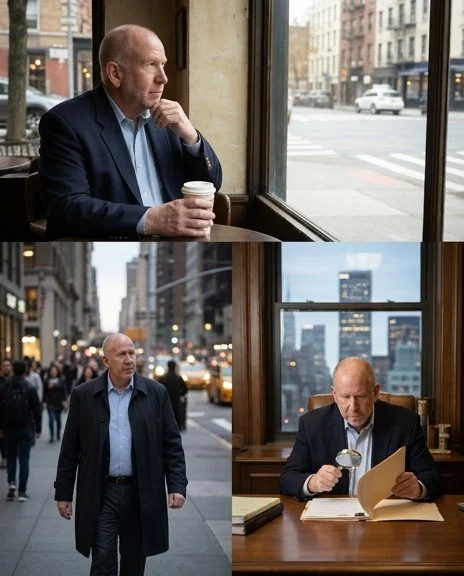
Most people hire a private investigator once in their life, and usually at a hard moment. Maybe you suspect a spouse. Maybe a business partner's numbers don't add up. Maybe someone you love has gone quiet. Whatever brought you here, you are about to trust a stranger with something very private.
Like what you read? Show me more from NYIA on Google, then pick us as a preferred source.
What’s Inside
6 sections
Not every investigator deserves that trust. Some are true professionals. Some are hobbyists with a website. A few will take your money and hand you nothing you can use. The good news is that a short list of questions will separate them fast. Here are the five things to check before you sign anything.
1. Are They Licensed in New York?
Start here, because it filters out the worst options in one step. New York requires private investigators to be licensed through the NYS Department of State. Earning that license means proving years of real investigative experience, passing a state exam, and clearing a fingerprint background check. You don't have to take anyone's word for it. Ask for the license number, then verify it yourself on the NYS DOS license lookup site. It's free and takes two minutes. While you're at it, confirm the agency is bonded and insured. If an unlicensed or uninsured investigator crosses a line during your case, the trouble can land on you too.
2. Have They Handled Cases Like Yours?
"Private investigator" is not one job. Following an unfaithful spouse through Manhattan takes different skills than tracing corporate fraud, and sweeping an office for hidden listening devices is a specialty all its own. An investigator can be excellent at one and lost in another. So ask a direct question: "How many cases like mine have you worked in the last few years, and how did they end?" A real professional will answer with specifics. Vague answers, or a promise that they "do it all," should make you pause.
3. Do They Work Inside the Law?
This one matters more than most people realize. Evidence gathered illegally can be thrown out of court, and it can expose you to a lawsuit or worse. New York has firm rules about recording conversations, placing GPS trackers, and entering private property. A good investigator knows those rules cold, explains them plainly, and refuses shortcuts that would poison your case. If someone offers to pull phone records, hack an email account, or "get into" a device, walk away. That offer tells you everything about how they work.
4. Is the Pricing Clear?
Before any work begins, you should understand exactly what you're paying for. Ask about the retainer, the hourly rate, and extras like mileage, database fees, or a second investigator on a surveillance team. Then ask for a written estimate. Any established agency can provide one. Be careful with the cheapest quote, too. Surveillance done right takes time, equipment, and skilled people. A price that sounds too good usually means cut corners now or surprise charges later.
5. How Will They Protect Your Confidentiality?
You're about to share names, addresses, photos, and suspicions you may not have told anyone else. Ask how the investigator protects your identity, who can see your case file, and what happens to it when the case closes. A professional has a clear answer ready, because they've built their practice around discretion. "Don't worry about it" is not an answer. It's a warning.
What a Good First Call Sounds Like
When you call the right investigator, you'll notice something simple: they listen more than they talk. They ask what you want to find out, tell you honestly what's possible, and admit what isn't. They quote real numbers, explain the legal limits, and never guarantee an outcome, because no honest investigator can. If you hang up with a clearer picture than you started with, you've found the right person. David has been taking those calls since 1989. The first one is free, and everything you say stays between you.
Whatever you are facing, NYIA can help you find the truth. Our private investigator team works as a discreet private detective across New York, and we offer last minute surveillance when timing matters. Contact us for a free, confidential consultation.

David J. Schassler
Emmy® Award Winning Private Investigator · NYS DOS License #11000169770
David founded New York Intelligence Agency in 1989 and has personally directed every major case since. His investigative work earned a New York Emmy® Award. More posts by David →
Got it. We will be in touch.
Somebody reads this personally. If it is urgent, call (646) 461-4650 any hour.
Free, Confidential Consultation
When you need answers,