Polygraph & Lie Detection
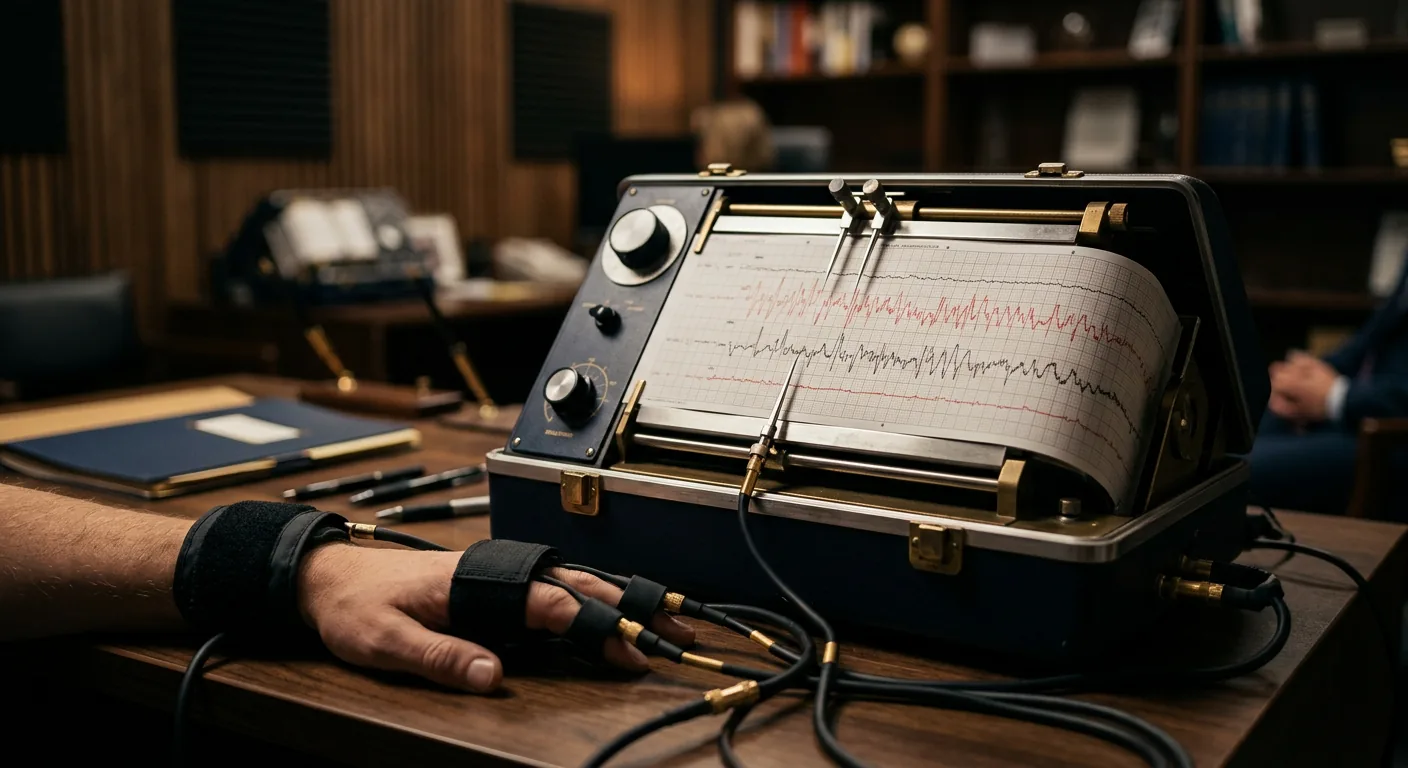
When you need to know if someone is telling the truth, a polygraph is not your only option. Voice stress analysis, often called VSA, is another lie detection tool. Instead of wires and sensors, it uses software to study the sound of a person's voice.
The idea is simple. Stress changes the way you speak in tiny ways you cannot hear and cannot control. VSA software hunts for those changes and flags the answers where stress spikes.
We have run lie detection cases in New York since 1989, and clients ask about VSA all the time. It deserves a straight answer. Here is how it works, where it helps, and where it falls short.
How Voice Stress Analysis Works
Your voice comes from a set of small muscles in your throat. When you feel threatened, those muscles tighten. That tension creates tiny shifts in the frequency of your voice, called micro-tremors. They are far too small for the human ear to catch. VSA software records your answers, measures those shifts, and turns them into charts. A trained examiner then reads the charts question by question. Steady patterns suggest a calm answer. Sharp spikes suggest stress, and stress may point to deception.
Notice the word may. The software measures stress, not lies. That difference matters, and we will come back to it.
What a Session Looks Like
A VSA session feels like a polygraph appointment without the hardware. It starts with a pre-test talk. The examiner learns your situation and builds a short list of clear yes-or-no questions with you. Nothing is a surprise. Then the subject answers while the software records. Afterward, the examiner reviews the charts and walks you through the results. Because the tool only needs a voice, some cases can even use audio that already exists, such as a voicemail. A live, controlled session is far more reliable, but the option is there.
VSA vs. the Polygraph
People often ask which test is better. They work in different ways, and each has trade-offs:
- No sensors attached. VSA needs only a microphone. A polygraph straps sensors to your chest, arm, and fingers.
- Recordings. In some cases, VSA can analyze audio that already exists. A polygraph cannot do that.
- More data. A polygraph tracks breathing, heart rate, blood pressure, and sweat. That is several channels of information instead of one.
- The examiner. Both tools depend heavily on the person running them. A skilled examiner asking well-built questions matters more than the machine.
The Honest Limits
Here is the part many websites skip. Scientists still argue about how reliable voice stress analysis is. Some studies support it. Others find it performs little better than chance. The truth likely sits somewhere in the middle and depends on the examiner, the questions, and the quality of the recording.
Also, VSA results are not admissible in New York courts. Neither are polygraph results. No lie detection test will win a case for you on its own. Treat the results as investigative leads. They give you a reason to keep digging or to let a worry go. They are not proof.
When VSA Is Actually Useful
Used with open eyes, VSA earns its place. It can screen a claim quickly, before you spend money on a full investigation. It can tell you whether a nagging doubt deserves a deeper look. It helps suspicious spouses, business partners, and insurance teams alike. And it works best as one tool among several, alongside surveillance, background checks, and records research that can turn a stress reading into real evidence.
Talk to a Licensed Investigator First
Before you book any lie detection test, talk to a licensed investigator about your situation. New York Intelligence Agency does not offer voice stress analysis or polygraph testing, and we do not keep a referral list for either, so we have nothing to sell you here. What we can tell you is whether surveillance or a records search would get you a stronger answer for the same money. That call is free and confidential.
Whatever you are facing, NYIA can help you find the truth. Our private investigator team works as a discreet private detective across New York, and we offer last minute surveillance when timing matters. Contact us for a free, confidential consultation.
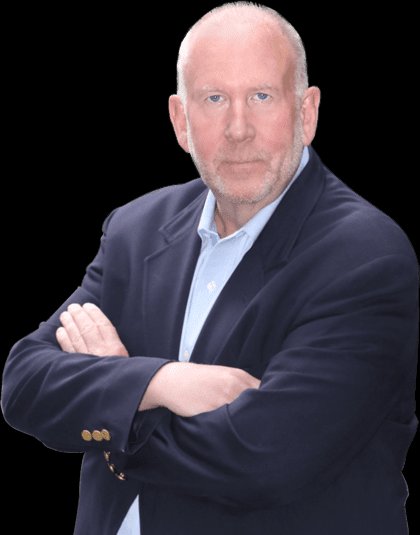
David J. Schassler
Emmy® Award Winning Private Investigator · NYS DOS License #11000169770
David founded New York Intelligence Agency in 1989 and has personally directed every major case since. His investigative work earned a New York Emmy® Award. More about David →
Got it. We will be in touch.
Somebody reads this personally. If it is urgent, call (646) 461-4650 any hour.
Free, Confidential Consultation
When you need answers,