Missing Persons
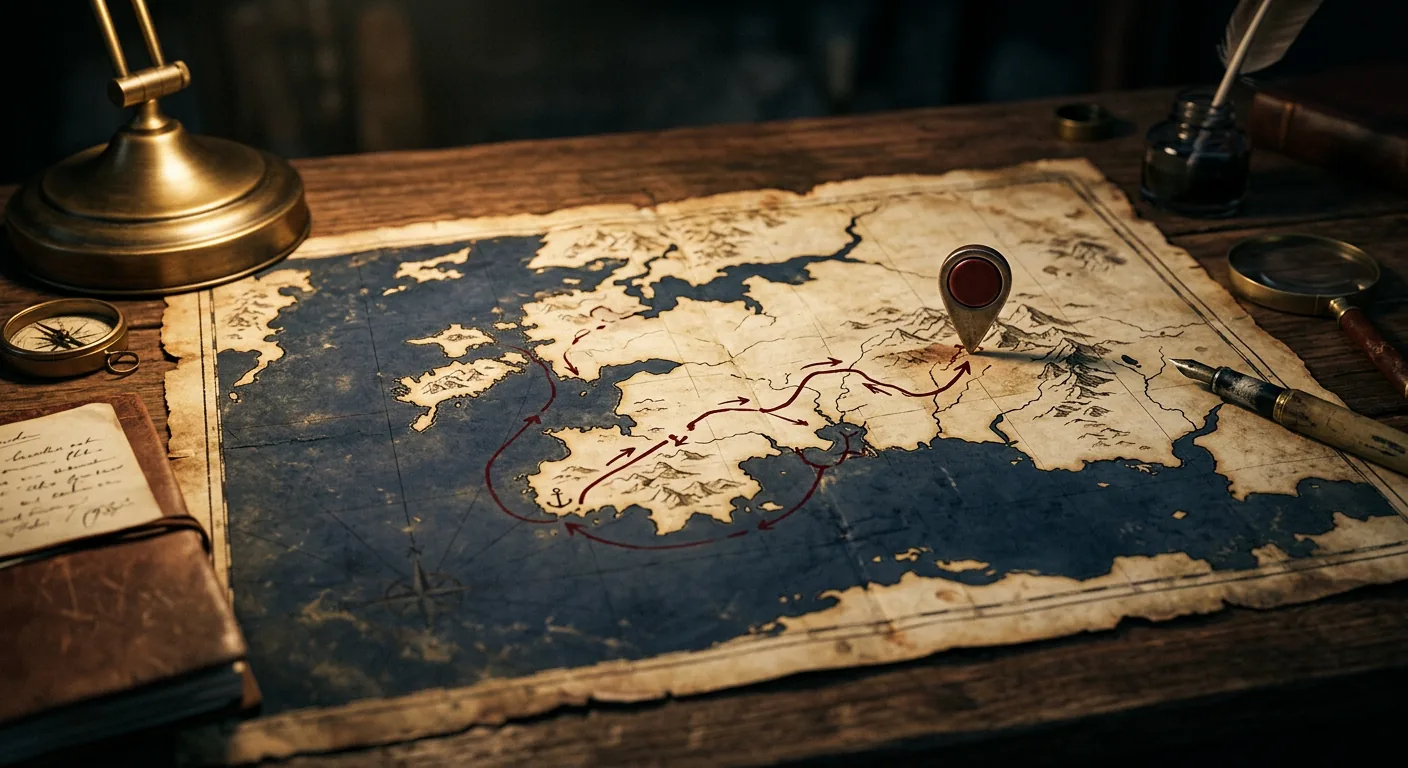
Every year, thousands of people go missing under many circumstances. Whether it’s a runaway teenager, a kidnapped child, a person with dementia who wandered away, or an individual avoiding legal consequences, the mystery and emotional turmoil surrounding a disappearance can be overwhelming. While law enforcement agencies have protocols for handling missing persons cases, private investigators (PIs) often play a critical role in finding those who have vanished. Their ability to act quickly, follow leads independently, and dedicate more time to individual cases makes them invaluable in time sensitive situations.
Like what you read? Show me more from NYIA on Google, then pick us as a preferred source.
What Is a Missing Persons Investigation?
What’s Inside
9 sections
What Is a Missing Persons Investigation?
A missing persons investigation is the process of locating an individual whose whereabouts are unknown and whose safety may be at risk. The reasons people go missing vary greatly, and so do the strategies used to find them. Missing persons investigations may be initiated by law enforcement, private citizens, attorneys, or family members, and they often involve collaboration across jurisdictions and agencies.
While police departments handle many cases, they may be constrained by resources, jurisdictional limits, and prioritization protocols. In contrast, private investigators can focus more extensively on the case and apply customized investigative techniques tailored to the specific circumstances of the disappearance.
Common Reasons People Go Missing
Understanding why someone goes missing helps shape the direction of an investigation. Some common scenarios include:
- Runaway Teens: Adolescents often flee due to family conflict, abuse, peer pressure, or mental health issues.
- Parental Abduction: One parent may take a child in violation of custody agreements.
- Elderly Individuals: Seniors with Alzheimer’s or dementia may wander off and become disoriented.
- Victims of Crime: Some people are kidnapped, trafficked, or harmed by others.
- Voluntary Disappearance: Adults sometimes leave their lives intentionally due to stress, legal issues, or personal crises.
- Natural Disasters or Accidents: People may be displaced or injured and unable to communicate.
Role of a Private Investigator in Missing Persons Cases
Private investigators bring a unique skill set to missing persons investigations. They often complement or work alongside law enforcement, especially in cases where the authorities are limited in scope or progress has stalled. Key roles include:
1. Immediate Action
PIs are not limited by bureaucracy and can begin searching as soon as they are hired. Time is crucial in missing persons cases, and a fast start can make all the difference.
2. Independent Surveillance
Investigators can follow leads discreetly and conduct surveillance on persons of interest, suspected locations, or known associates of the missing individual.
3. Access to Databases
Professional PIs have access to databases that contain details on criminal records, vehicle registrations, social media activity, and more. These can be invaluable in locating someone who is trying to stay hidden.
4. Canvassing and Interviewing
Private investigators often visit neighborhoods, talk to witnesses, and interview people who might have details. Their ability to gain trust and ask the right questions can uncover leads that others might miss.
5. Social Media and Digital Tracking
In today’s digital age, social media profiles, GPS data, online purchases, and app usage often leave digital footprints. PIs use advanced techniques to trace these patterns and find clues.
6. Collaboration with Law Enforcement
When necessary, PIs can coordinate with police departments, providing leads or evidence that may help re energize official investigations.
Legal and Ethical Considerations
Just like in any investigation, private investigators must operate within the bounds of the law. Some important restrictions include:
- No Trespassing: PIs cannot enter private property without permission.
- No Wiretapping: They may not record private conversations without consent, depending on state laws.
- No Impersonation: PIs must never misrepresent themselves to access restricted areas or details.
- Privacy Laws: Sensitive details, such as medical or financial records, needs proper legal channels for access.
Professional PIs understand these boundaries and are trained to gather admissible evidence ethically and legally.
The Process of a Missing Persons Investigation
Every investigation is different, but most follow a general sequence of steps:
1. Initial Assessment
The investigator meets with the client to collect background details: the person's habits, last known location, physical description, mental state, financial status, and known associates.
2. Information Gathering
Using a mix of interviews, database searches, and social media analysis, the investigator begins to form a profile of where the person might have gone and why.
3. Field Work
This includes surveillance, visiting possible locations, canvassing neighborhoods, and checking with local businesses or authorities.
4. Analysis and Lead Development
Clues are pieced together to form actionable leads. Sometimes, a missing person's trail goes cold. In other instances, just one overlooked detail can lead to a breakthrough.
5. Reporting
The PI compiles findings into a detailed report that can be shared with law enforcement, legal representatives, or the family, depending on the case.
Tools and Techniques Used by Private Investigators
Private investigators have access to a broad range of tools that aid in missing persons cases:
- Public Records Searches
- Phone and Utility Traces
- Credit and Employment Checks
- Surveillance Equipment (cameras, GPS trackers where legal)
- Forensic Analysis
- Facial Recognition Software
- Geolocation and Geotagging Tools
High Profile Success Stories
There have been many cases where private investigators played key roles in reuniting families or solving long standing mysteries. In one case, a woman hired a PI to find her sister who had disappeared 15 years prior. Through painstaking research and social media tracking, the investigator found the woman living under a new identity several states away.
In another instance, a PI located a runaway teen within 72 hours by tracing her online interactions and working with local hotels and transit systems.
These stories show that even in cases where hope seems lost, persistence and professional skill can make the impossible possible.
When Should You Hire a Private Investigator?
Hiring a PI can be a vital decision in certain situations:
- When police are unable or unwilling to pursue the case further
- When you believe time is of the essence
- If the missing person left voluntarily and law enforcement cannot intervene
- If you want a more personalized, ongoing investigation
- When you need extra documentation for legal proceedings
Conclusion
Missing persons cases are among the most challenging and emotionally draining types of investigations. They need a mix of intuition, legal knowledge, and investigative skill. Private investigators offer a vital resource in these cases, especially when time, sensitivity, and persistence matter most.
While not every case ends in a joyful reunion, the work of a professional PI can bring families closer to closure, uncover vital truths, and even save lives. In a world where people can disappear with alarming ease, having someone who knows how to track them down is not just helpful. It’s key.

David J. Schassler
Emmy® Award Winning Private Investigator · NYS DOS License #11000169770
David founded New York Intelligence Agency in 1989 and has personally directed every major case since. His investigative work earned a New York Emmy® Award. More posts by David →
Got it. We will be in touch.
Somebody reads this personally. If it is urgent, call (646) 461-4650 any hour.
Free, Confidential Consultation
When you need answers,