Surveillance
Same Day Surveillance in New York Comes Down to 6 Things
Author Source EEAT Authors · David's Author Page
Author Source EEAT Authors · David's Author Page
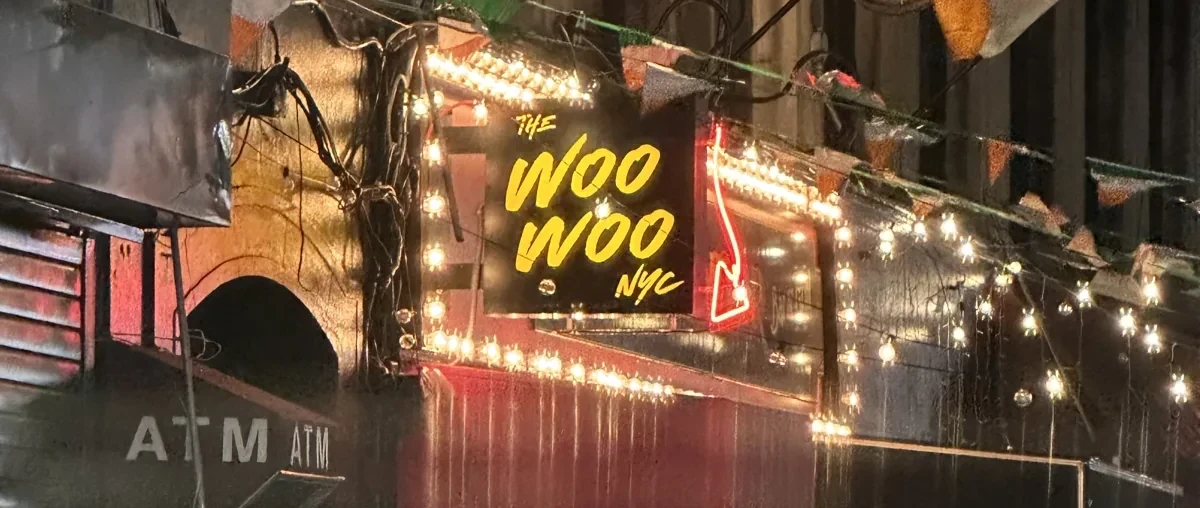
Yes, a licensed private investigator can often start surveillance in New York City the same day you call, and six things decide whether that means tonight or first thing tomorrow. Most of those six are in your hands, not the investigator's. The faster you settle them, the sooner someone is in position.
9 sections
Like what you read? Show me more from NYIA on Google, then pick us as a preferred source.
Urgent calls tend to sound alike. A spouse just booked a sudden trip. A tip says someone will be at a certain bar tonight. A lawyer needs proof before a filing. In each case the window is short, and missing it can mean starting over. This guide walks through what has to happen between your first call and an investigator parked down the block.
Six Things That Decide It
Short notice cases are a normal part of the work in this city. On our last minute surveillance page we say it plainly. Some same day requests can be staffed within hours. Others need a few hours of lead time, or are better started the next morning.
The gap between "yes" and "in position" is not paperwork for its own sake. Before any work begins, you get a clear read on the case and a written estimate. Nothing starts without your go ahead. That step protects you from paying for hours that were never likely to work.
A fast start also never means an unlicensed one. New York General Business Law Section 70 bars anyone from doing private investigator work for pay without a license from the Department of State. Ours are 11000178595 (New York) and 11000061564 (Haverstraw). You can look up any investigator on the state's license search in under a minute.
Each factor either speeds up the start or slows it down. The right column is the part you control.
| Factor | Why it matters | What you can do |
|---|---|---|
| The hour you call | A morning call leaves daylight to set up. A late call may mean the window has passed. | Call the moment you learn of the window, even if you are not sure yet. |
| Where the person is | A start point in Midtown is easier to reach fast than one far out on Long Island. | Give the exact start address and the likely next stop. |
| One investigator or two | A person on foot, in cabs or on the subway is hard for one person to keep. | Say how the person usually travels. |
| What you can send | No photo means no way to pick the right person out of a crowd. | Send a recent photo and the vehicle details right away. |
| Your approval | Work starts only after you agree to the plan and the estimate. | Be ready to read and approve within minutes. |
| The legal fit | Some requests cannot be done lawfully at any speed. | Ask for what you want to learn, not for a method. |
Notice how many rows come down to information. The investigator controls staffing and gear. You control almost everything else.
Our how we work page lists the basics, and a rush job needs all of them at once. Gather them while you wait for a call back, so nothing stalls once the plan is agreed.
The Same Day Checklist
Send what you have, even if it is incomplete. A good photo and a start address will often get things moving. The rest can follow by text while the investigator drives.
One warning matters more than the list. Do not tip the person off by asking about their plans in a new way. People notice a sudden interest in their evening. Act normal, and let the investigator do the watching.
In November, the city goes dark early. On November 10, 2026, the sun sets in New York at about a quarter to five, and civil twilight ends around ten past five, per timeanddate.com. By November 30 the sun is down by about half past four. A call at three in the afternoon leaves very little daylight for clear photos of a face.
Night work is still common, and city lights help. Still, a photo of a face under a bar sign is harder to get than one in daylight. If the goal is to show who someone is with, an early start often beats a late one.

Parking is the next clock. One way streets, cleaning rules and hydrants decide where a car can sit and still see a door. A good spot on a home block can take time to find, which is one reason a known start address helps so much.
Cold weather adds its own catch. The city's Department of Environmental Protection says idling a vehicle for more than three minutes is illegal under Administrative Code Section 24-163. An investigator cannot sit with the engine running for heat all evening. That shapes how a long winter watch is planned.
Buildings matter too. Large towers and hotels often have more than one way out, so a single investigator can watch only one door. Tell us if you know which entrance the person uses.
Short notice does not come with a fixed rush charge at our agency. Urgent work is billed like any surveillance, by the hour with a minimum block. Our private investigator cost guide lists the rates. One investigator is $240 an hour, two are $280 an hour, there is a five hour minimum, and a flat $100 vehicle charge covers the day.
| Setup | Five hours | Vehicle | Day total |
|---|---|---|---|
| One investigator | 5 x $240 = $1,200 | $100 | $1,300 |
| Two investigators | 5 x $280 = $1,400 | $100 | $1,500 |
What short notice can change is the team. A person who moves by subway or crosses boroughs may need two investigators to follow safely. That raises the hourly rate, but it does not double it. You hear the plan and the number before anything starts.
If the person never shows, you still get a full report of what was seen during the hours worked. Surveillance pays for time and effort, not a promised result.
Speed changes the timeline, never the law. Rushed cases are where people ask for shortcuts, so the limits are worth knowing before you call.
If you fear for your own safety right now, call 911 first. An investigator documents what happens. The police protect you.
Recording is its own topic, with its own traps. Our guide to New York recording laws covers what you may record yourself.
Sometimes the fastest start is not the best one. A call at nine at night about a person who is already out, at an unknown place, is a long shot. The investigator would be searching, not watching.
In that case a morning start at the person's home often works better. Most people leave from a known door at a known time. Starting there gives a clean first photo and a full day of movement.
The same goes for thin details. With no photo and no address, a same day start mostly burns hours. Spend the evening gathering the checklist, and the next day's work will count for far more.
Our guide to a surveillance operation shows what a full day in the field looks like. When the window is today, call David at (646) 461-4650 any hour, or text (646) 465-2006.
Often, yes, in the New York City area. It depends on the time of day, where the person is and how many investigators the case needs. A short first call settles whether today is realistic or whether the next morning is the earliest good start.
Not as a rush fee at our agency. It is billed by the hour with a minimum block, like any surveillance. The total can rise if a moving person needs a second investigator, and you get the estimate first.
A name, a recent photo, a start address, the vehicle if there is one, and the time window. Anything that makes the person easy to spot that day helps too, such as a coat or a bag.
Yes, when a licensed investigator watches from public places for a real purpose. Wiretapping, reading private messages and tracking a car without the right to do so are crimes under state law, whoever does them.
You still get a full report of the hours worked. Surveillance is billed for time and effort, not for a promised result. That is said up front, before the work begins.
Yes. You can reach David by phone or text, as well as in person at the Fifth Avenue office. On a same day case, a phone call is usually the quickest way to agree on a plan.
Every law, rule and time above comes from one of these pages.

David J. Schassler
Emmy® Award Winning Private Investigator · NYS DOS License #11000178595 (New York) and #11000061564 (Haverstraw)
David founded New York Intelligence Agency in 1989 and has personally directed every major case since. His investigative work earned a New York Emmy® Award. More posts by David →
Somebody reads this personally. If it is urgent, call (646) 461-4650 any hour.