Law & Evidence
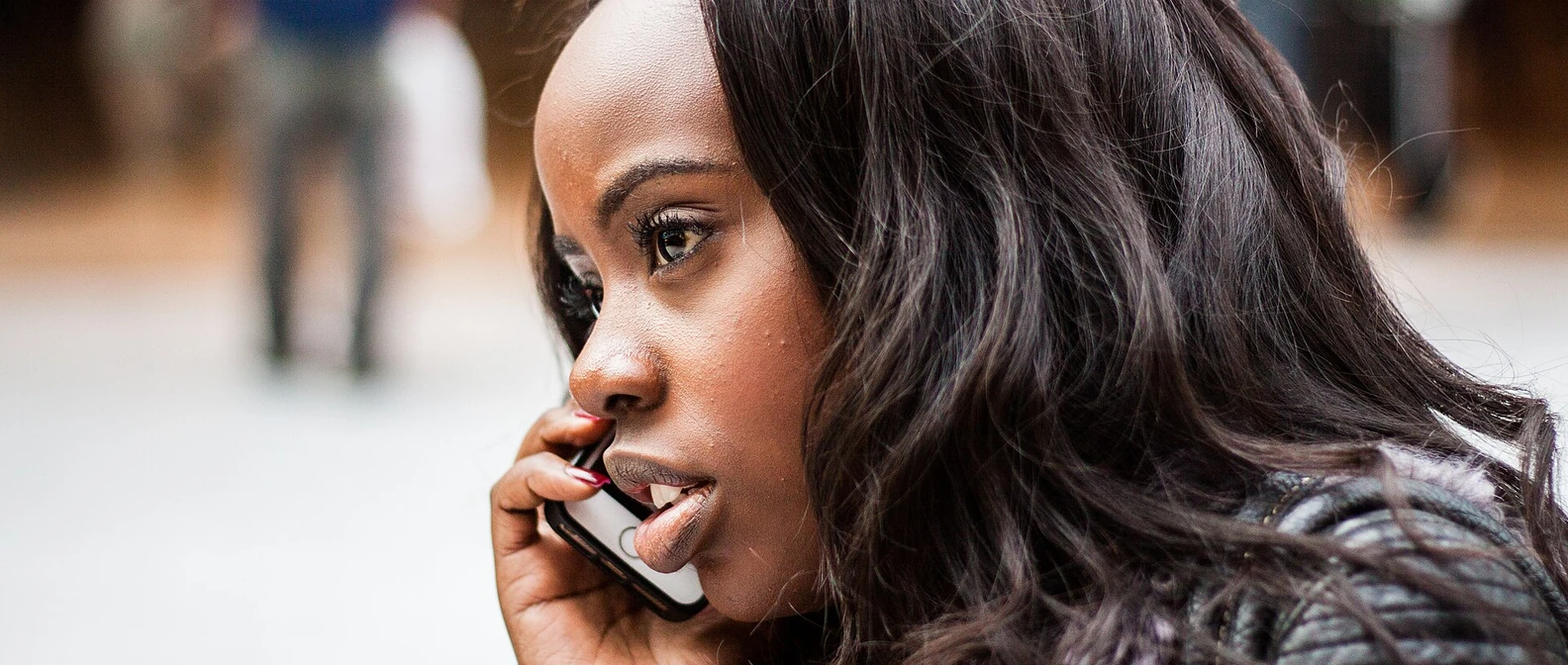
Yes, you can record a phone call or a conversation you are part of in New York without telling anyone. The state's eavesdropping law only punishes a recording when nobody in the conversation agreed to it, and your own consent counts. The trouble starts when you are not in the room, when the other person is in another state, or when the camera points somewhere private.
What’s Inside
12 sections
Like what you read? Show me more from NYIA on Google, then pick us as a preferred source.
New York Intelligence Agency has worked cases in this city since 1989. Clients ask us about recordings almost every week, usually in a divorce, a custody fight or a dispute at work. This page walks through the actual statutes, the four catches that turn a legal recording into a felony, and what a judge will and will not let you play.
Before You Press Record
- New York is a one party consent state. If you are in the conversation, your consent is enough
- A phone or recorder left behind in a room you walk out of is not you being in the conversation
- A call with someone in California or another all party state can break that state's law
- Hidden video in a bedroom, bathroom or hotel room is a separate felony
- A recording made illegally cannot be used in a New York court, except against the person who made it
What the New York Statute Actually Says
The crime is called eavesdropping, and it is a class E felony under Penal Law 250.05. The statute does not say "one party consent" anywhere. That rule comes from the definitions in Penal Law 250.00, and each one is written a little differently.
| What you record | When it becomes a crime | Whose yes clears it |
|---|---|---|
| A phone call (wiretapping) | Someone who is not the caller or the person called listens in or records it. | Either person on the call. |
| A conversation in a room (mechanical overhearing) | Someone who is not present records it with a device. | At least one person in the conversation. |
| Texts, email and messages (intercepting electronic communications) | Someone grabs them with a device on the way. | The sender or the person they were sent to. |
So when you are on the call, or sitting at the table, you are the one party who consents. Nobody else has to know. That is why the answer to the title question is yes.
The penalty is real, though. A class E felony carries up to four years in prison under Penal Law 70.00. The fine can reach $5,000 or double what the person gained, whichever is higher, under Penal Law 80.00.
Catch One. You Have to Be in the Conversation
This is where most people who mean well get into trouble. They start a voice memo on their phone, leave it on the kitchen counter, and walk out. Or they tuck a small recorder under the seat of a spouse's car. In both cases they are not present for the talk they captured, and nobody in it said yes.
That is mechanical overhearing, word for word from the definition. The person who planted the device is not a party, so their own consent does not count. It does not matter that it is their house, their car or their phone.
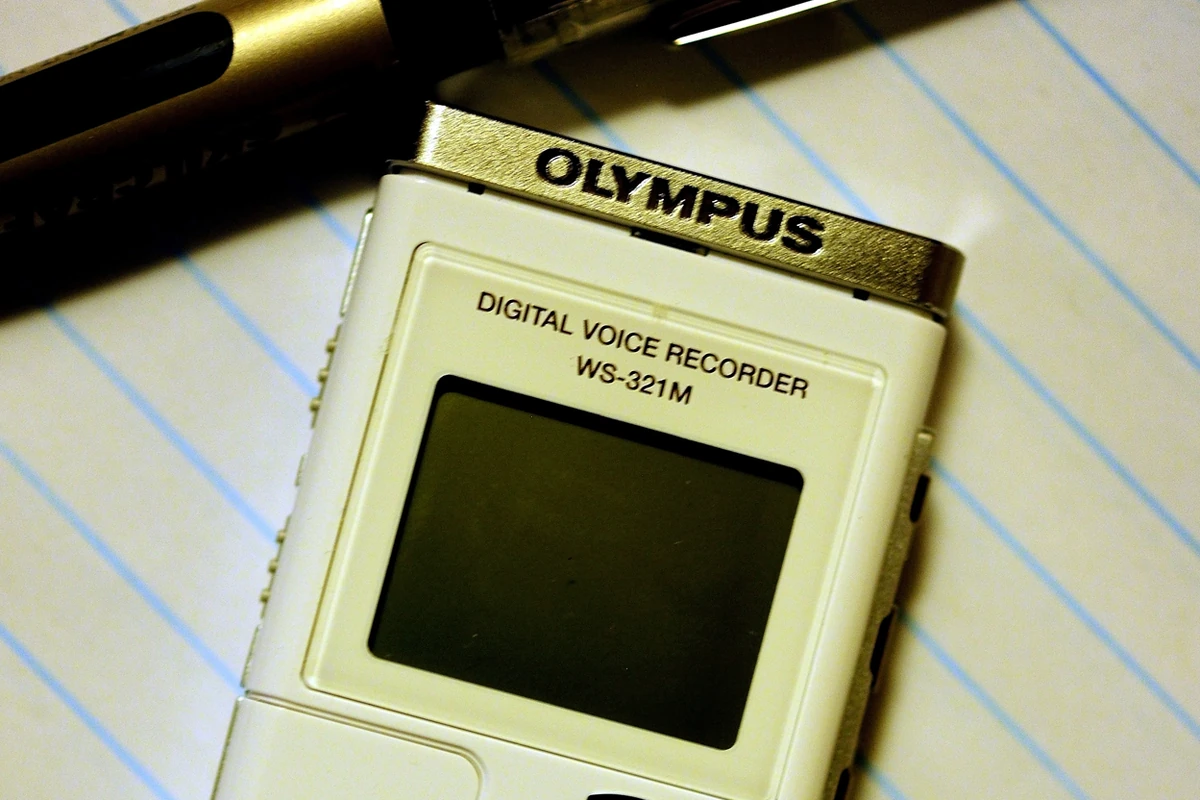
The same goes for a phone call you are not on. Listening on another extension, or using an app to capture someone else's calls, is wiretapping unless the caller or the person called agreed. We cover the warning signs of that kind of spying in how to tell if your phone is tapped.
Catch Two. The Other Person Is in Another State
Federal law follows the same one party rule. Under 18 U.S.C. 2511(2)(d), a person on the call may record it. There is one exception that matters. The federal shield falls away if you record in order to commit a crime or a tort, and a federal violation carries up to five years.
Some states are stricter than New York. California is the best known. Its Penal Code 632 makes it a crime to record a confidential conversation unless every party agrees. A first offense can bring a fine of up to $2,500 per violation.
So a call from Manhattan to Los Angeles can be legal on your end and illegal on theirs. Which law a court applies depends on the case, and you do not want to be the test. The safe habit is simple. Say at the start that you are recording, and get a clear yes on the tape.
Catch Three. Video Plays by Different Rules
The eavesdropping law is about sound. Hidden video falls under a separate crime, unlawful surveillance in the second degree, in Penal Law 250.45. It is also a class E felony.
The statute names the private places outright. Bedrooms, changing rooms, fitting rooms, restrooms, bathrooms, showers, and guest rooms in hotels and motels. Secretly recording someone in one of those places without a legitimate purpose is a crime. Placing the device there creates a presumption that no legitimate purpose existed. Other parts of the law cover filming someone undressing or filming under clothing, wherever it happens.
There are exceptions in Penal Law 250.65. Police acting in their duties are exempt. So is a security system with a visible written sign saying video surveillance is in use, and a camera placed so openly that anyone can see it.
One more point about home cameras. Many indoor cameras and doorbells record sound too. A device that records sound is still a recording device. If it captures a private talk in your home while you are away, read Catch One again before you rely on it.
Catch Four. An Illegal Recording Can Sink Your Own Case
People record because they want proof. New York has a rule that throws out the wrong kind. Under CPLR 4506, a conversation recorded through eavesdropping cannot be used in any court, grand jury, legislative hearing or agency proceeding in the state. Evidence that grew out of that recording is barred too.
The one exception cuts against you. The recording can be used against the person who made it. So a hidden tape of your spouse will not help you in a divorce or custody case, and it can be offered in a case against you.

A recording you made lawfully, as a party to the conversation, is not barred by this rule. Your lawyer still has to show it is real and complete. That is one reason attorneys hand evidence work to a licensed investigator. We explain the limits in how private investigators legally collect evidence in New York.
The Penalties Side by Side
Longest Prison Term the Statute Allows
NY eavesdropping, PL 250.054 years
NY hidden video, PL 250.454 years
Federal interception, 18 U.S.C. 25115 years
Civil lawsuits are a different story. The Reporters Committee guide to New York notes that a New York court found the state eavesdropping law gives no right to sue for damages. That does not make a secret recording safe. The criminal law and the evidence rule still apply.
Work, Police and the Street
At work. The penal law has no special rule for offices. If you are in the meeting, the one party rule covers you, including a talk with a manager who is yelling at you. Your employer's own policy is a separate matter, so read the handbook before you rely on a recording to keep your job.
With police. New York goes further than most states here. Civil Rights Law 79-p gives anyone who is not under arrest the right to record police activity and keep the recording. It does not allow you to physically get in the way. If an officer blocks you, seizes your phone or arrests you for recording, you can sue within three years.
On the street. A conversation anyone nearby can freely hear carries no expectation of privacy, according to the Reporters Committee summary of New York cases. Recording people in a public place is generally allowed. Recording a hushed private talk at the next table, when you are not part of it, is a different question.
Could New York Become an All Party State?
A bill in Albany would change part of this. Senate Bill S5077, sponsored by Senator Joseph Griffo, would require both people on a phone call to consent before it can be recorded. It was introduced on February 18, 2025 and sent to the Senate Codes Committee.
The Senate site lists no action since then. Until a bill like this passes both houses and is signed, the one party rule is the law. If it ever passes, it would take effect 30 days after it becomes law.
Think Someone Recorded You?
If a person seems to know what was said in a room they were never in, take it seriously. A recorder in a car, a phone left running in a bedroom, or an app on your phone all leave traces a trained sweep can find. Write down what they knew and when, and do not confront them first. Removing a device can tip off the person who placed it.
An NYIA TSCM sweep checks radio frequency signals, the physical space, and the telephone and network side. A full sweep of a home, office or car is a flat $1,400, with a written report of what was checked and what was found. See our TSCM and bug sweep service. If the recording came up in a divorce, our matrimonial investigations page explains how we gather evidence a court will accept.
Things to Settle
Is New York a one party consent state?
Yes. Under Penal Law 250.00, a phone call or conversation can be recorded when at least one person in it consents. If you are on the call or in the conversation, your own consent is enough.
Can I record my boss yelling at me in NY?
Under the criminal law, yes, if you are part of the conversation. New York's eavesdropping law has no exception for the workplace. Your employer may still have a policy against recording, so check it and talk to an employment lawyer before you lean on the tape.
Can someone record a video of me without my permission?
In a public place, usually yes. In a bedroom, bathroom, changing room or hotel room, secretly recording you without a legitimate purpose is unlawful surveillance, a class E felony under Penal Law 250.45. Filming under clothing is a crime anywhere.
What should I do if someone is secretly recording me?
Write down what makes you think so, and do not remove a device you find before you photograph it and where it sits. Call the police if you feel unsafe. A professional bug sweep can check your home, office or car and give you a written report.
Can I use a recording in my divorce or custody case?
Only if it was made lawfully. Under CPLR 4506, a recording made by eavesdropping cannot be used in a New York court, except against the person who made it. A recording of a conversation you were part of is not barred by that rule. Your lawyer decides how to use it.
Can I record a call with someone in California?
Be careful. California Penal Code 632 requires every party to agree before a confidential conversation is recorded. Tell the other person you are recording at the start, and get their yes on the recording.
Is it illegal to put a recorder in someone's car in New York?
Yes, if it records conversations you are not part of. That is mechanical overhearing, which counts as eavesdropping, a class E felony. It does not matter whose name is on the car.
Talk It Through With David
You do not have to decide anything on the first call. Tell us what happened, and we will tell you plainly whether a sweep or an investigation makes sense. Call David at (646) 461-4650 any hour, or text (646) 465-2006. You can also contact us online. For advice on your own legal case, speak with a New York attorney.
Background Reading
Every fact above comes from one of these pages. Check any of them yourself.
- New York Penal Law 250.00, definitions. Wiretapping, mechanical overhearing and intercepting messages.
- New York Penal Law 250.05, eavesdropping. A class E felony.
- New York Penal Law 250.45, unlawful surveillance in the second degree. Hidden video in private places.
- New York Penal Law 250.65. Exceptions for police, posted security cameras and cameras in plain view.
- New York Penal Law 70.00. Prison terms for felonies.
- New York Penal Law 80.00. Fines for felonies.
- New York CPLR 4506. Eavesdropping evidence kept out of court.
- New York Civil Rights Law 79-p. The right to record police.
- New York Senate Bill S5077 (2025). The proposed two party rule for phone calls.
- 18 U.S.C. 2511, Cornell Legal Information Institute. The federal one party rule and its penalty.
- California Penal Code 632. California's all party rule.
- Reporters Committee for Freedom of the Press, New York recording guide. Public places and civil claims.
Top photo of a woman on a phone call by Ehimetalor Unuabona, CC0. Voice recorder photo by Master Sgt. Quinton T. Burris, U.S. Air Force, public domain.

David J. Schassler
Emmy® Award Winning Private Investigator · NYS DOS License #11000169770
David founded New York Intelligence Agency in 1989 and has personally directed every major case since. His investigative work earned a New York Emmy® Award. More posts by David →
Got it. We will be in touch.
Somebody reads this personally. If it is urgent, call (646) 461-4650 any hour.
Free, Confidential Consultation
When you need answers,