Hiring an Investigator
How to Check a Private Investigator License in New York
Author Source EEAT Authors · David's Author Page
Author Source EEAT Authors · David's Author Page

To check a private investigator's license in New York, search the Department of State's Licensee Search by the firm's business name or its 11 digit license number, because the state does not let you look up a PI by the person's own name. That one rule trips up most people who try. Once you know it, the whole check takes about four minutes and costs nothing.
9 sections
Like what you read? Show me more from NYIA on Google, then pick us as a preferred source.
Most people search the investigator's name, get nothing back and start to worry. Others find a result and stop there, without reading the license type or the date it runs out. Both mistakes are easy to avoid. The steps below show what to ask for, where to type it, what a real result looks like and what to do when something does not match.
What to Know First
Ask for two things in writing before you search, the exact licensed business name and the license number. A real firm gives both without a pause. Many print the number on their own site, which is what a good author page should do, according to this guide to expert reviewed content.
One timing note. The search page states the date its data is current through, so a license issued in the last day or two may not show yet. A brand new license is rare, though. Most firms you will talk to have held theirs for years.
New York treats a private investigator license as a license for a business, so the state files it under the business. The name search page says it plainly. Private investigators, watch guard and patrol agencies and armored car carriers can only be searched by business name or license ID. The people who qualified the firm for its license are not shown and cannot be searched.
The law explains why. General Business Law Section 70 requires a license for each bureau, agency, office and branch office that does private investigation work. The license follows the office, not the badge.
You can see it in the results. An archived copy of the state's list of private investigators in Albany County from November 2024 covers 44 licenses, and that page shows rows 26 to 44. In all 19 rows, the Name column reads Not Applicable. The firm sits in the Business Name column. When one person holds the license alone, their own name shows up there instead, the way a company name would.
So if you search "John Smith" and get nothing, that alone proves nothing. Ask John Smith which business holds the license, then search that.
A result shows the license ID, the business name, the city, the license type and the date it expires. Check each one against what the investigator told you.
| Column | What it should say | When to stop and ask |
|---|---|---|
| ID Number | The same 11 digit number the firm gave you. Every PI license on the archived Albany page starts with 110, and so do ours. | The firm will not give a number, or the number belongs to a different business |
| Business Name | The name on your contract and invoice | The contract names one company and the license names another |
| City | The city of the office the license covers | The firm claims an office the state has no license for |
| License Type | Private Investigator | Watch, Guard and Patrol, Security Guard or Bail Enforcement Agent |
| Expires | A date in the future | No result at all, since the search shows active licenses only |
The license type row is the one people skip. Under Section 70-a, a private investigator may also do guard and patrol work. The reverse is not allowed. A watch, guard or patrol agency may not do private investigation work at all. A security company with a real license is still the wrong license for a surveillance job.
The dates matter too. The Department of State sets the license term at two years. Since the search shows active licenses only, a firm that let its license lapse simply vanishes from the results.
The online search is the main test, and the law gives you four more ways to check in person. All of them come from the state's own licensing law and rules, as published by the Department of State in March 2026.
The ID card point clears up a common worry. The investigator who follows a car or sits outside a building is often an employee, not the license holder. That is legal. Under Section 81, each employee files a sworn statement with their work history, and the firm sends their fingerprints to the state within 24 hours of hiring. The license holder stays legally responsible for that employee's conduct. So the right question is not "are you licensed?" It is "which licensed firm do you work for?"
One more check if you visit the office. Section 75 requires the license certificate to hang in a spot where every visitor can see it, at the office it was issued for.
An active license proves the firm passed the state's bar to open its doors, not that it is good at your kind of case. The bar itself is real, and it helps to know what it is.
| What the state requires | The detail |
|---|---|
| Age | 25 or older, and a principal in the business |
| Experience | 3 years of investigation experience or the same in an equal role, or 20 years as a police officer or fire marshal |
| Exam | A written state exam passed within the 2 years before applying, $15 to sit |
| Fingerprints | Required with the application |
| Surety bond | $10,000, filed with the state |
| Fee | $400 for an individual or $500 for a business, the same again for each branch office, renewed every 2 years |
The age, experience, exam and fee rules come from the state's page for new investigators. The bond is set in Section 74. That bond is the part that protects you. Anyone hurt by a willful, malicious or wrongful act of the licensee or an employee can sue on the bond in their own name. An unlicensed operator has no bond behind them at all.
Now the limits. The search will not tell you how long the firm has done matrimonial work, whether it has done surveillance in Manhattan traffic or who will be on your case. Ask those questions directly. Our guide on how to hire a private investigator in New York lists the rest of them, and our page on whether private investigators are legal in New York covers what a licensed PI may and may not do.
Stop paying and stop sharing details until the license question is settled. Then work through these in order.
The law takes unlicensed work seriously. Section 70 makes running a private investigator business without a license a class B misdemeanor. Section 80 makes it a misdemeanor to show a license certificate or pocket card that was never issued, and Section 81 does the same for falsely claiming to be a detective or to work for one. Those rules are in the state's published licensing law.
The complaint page does not say the state will get your money back. If you already paid, keep every receipt and text, and ask a lawyer about the bond.
New York Intelligence Agency holds New York State private investigator licenses 11000178595 (New York) and 11000061564 (Haverstraw). Search either number on the Licensee Search, the same way you would check anyone else. The law asks for a license for each office a firm runs, and ours are listed under those two numbers.
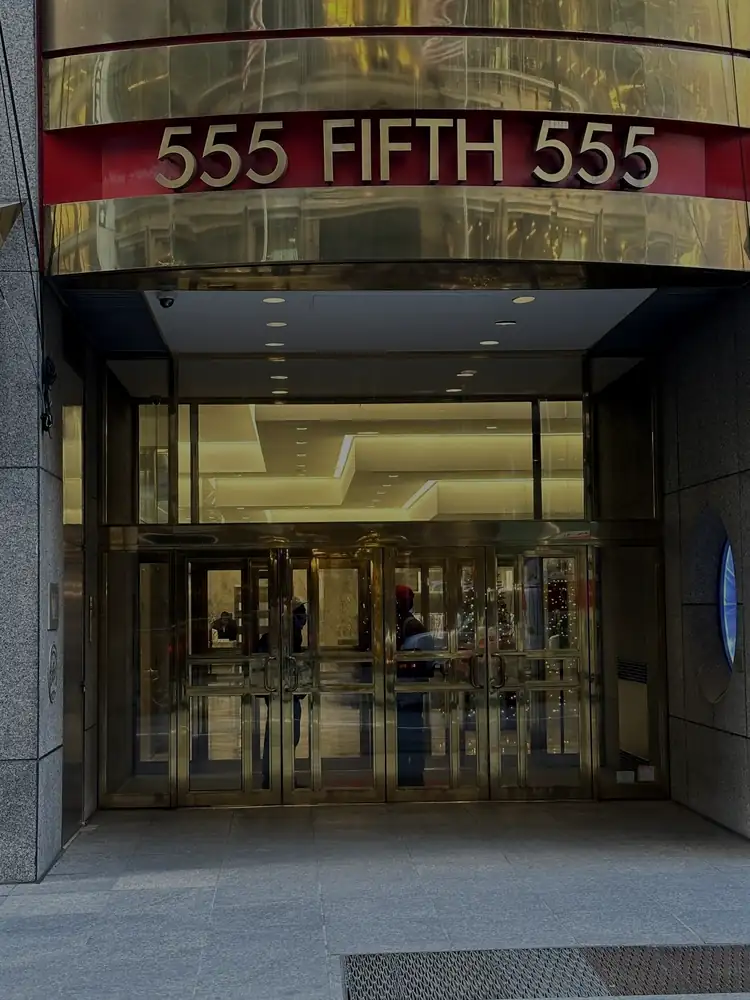
Our how to check us page has the same steps with our numbers filled in. If you want to talk through a case once you are satisfied, call David at (646) 461-4650 or text (646) 465-2006. The first consultation is free and confidential.
Use the Department of State Licensee Search. Search by the firm's business name or its license number and pick Private Investigator as the license type. Then confirm the license type and a future expiration date.
Not by the person's name. The state lists private investigators by business name or license ID only. Ask which business holds the license, or call the Division of Licensing Services at (518) 474-4429.
Start with the state license, then look for the paper trail the law requires. A real firm gives you a written contract that says it is licensed by the Department of State, and its investigators carry a company ID card with the firm's name on it.
Yes. General Business Law Section 70 requires a state license for each office of a private investigator business. Doing the work without one is a class B misdemeanor.
No. Employees can work under the firm's license. Each one files a sworn statement and fingerprints with the state, and the firm stays responsible for their conduct.
Most often because the search used a person's name. Other reasons are a different business name on the license, a license that has lapsed, since only active licenses show, or a license issued in the last day or two.
Every rule and number above comes from one of these pages.

David J. Schassler
Emmy® Award Winning Private Investigator · NYS DOS License #11000178595 (New York) and #11000061564 (Haverstraw)
David founded New York Intelligence Agency in 1989 and has personally directed every major case since. His investigative work earned a New York Emmy® Award. More posts by David →
Somebody reads this personally. If it is urgent, call (646) 461-4650 any hour.